
Sister Robot
Overview
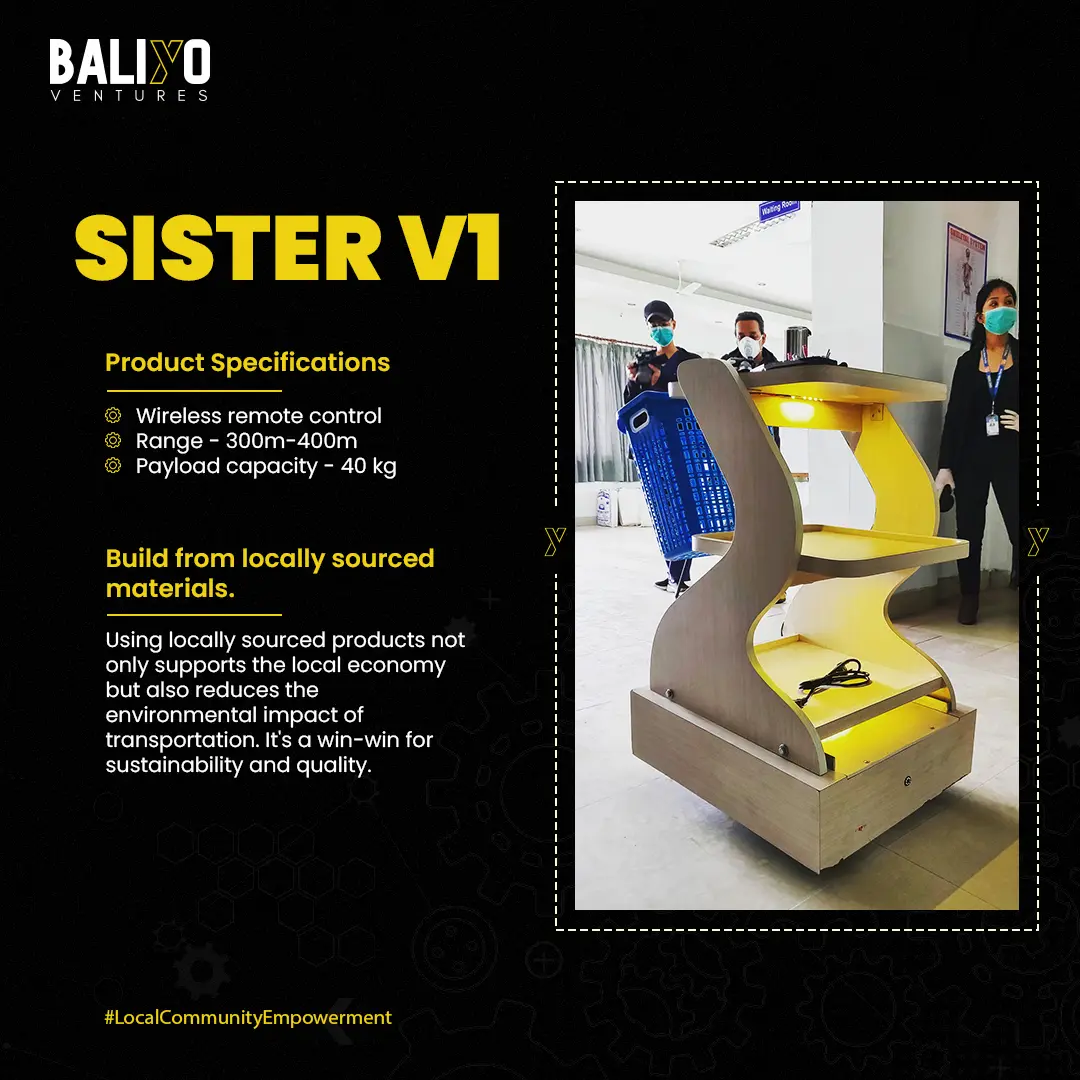
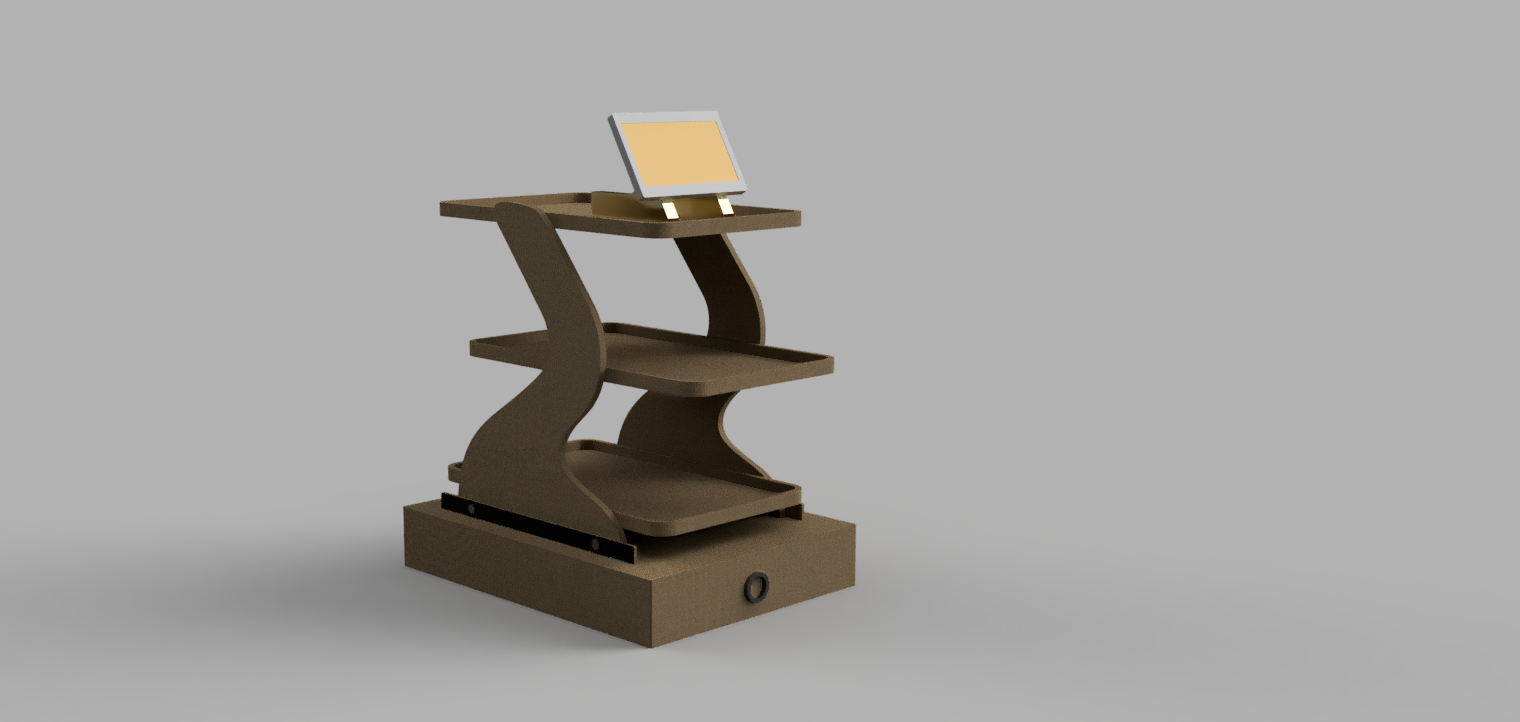
An autonomous mobile robot that navigates to a patient's bedside independently while providing remote assistance through an onboard camera.
|
Specification |
Details |
|---|---|
|
Autonomous Navigation |
Independently navigates to the patient's bedside. |
|
Onboard Camera |
Provides real-time video for remote monitoring and interaction. |
|
Obstacle Avoidance |
Detects and avoids obstacles for safe indoor movement |
|
Remote Operation |
Supports remote supervision and control when needed |
This project introduces an intelligent, autonomous mobile robot designed to transform patient support in healthcare settings. By combining independent navigation with real-time remote communication, the robot serves as a reliable bridge between patients and caregivers, ensuring that assistance is always just moments away — even when medical staff are occupied elsewhere.
The robot is built to move freely and independently through indoor healthcare environments, navigating seamlessly from its docking station to a patient's bedside without any human guidance. Its advanced navigation system allows it to understand its surroundings, plan efficient routes, and adjust its path in real time. Whether traveling down busy hospital corridors, maneuvering through doorways, or weaving between equipment and furniture, the robot moves with purpose and precision, arriving at the right location reliably every time.
At the heart of its functionality is a high-quality onboard camera that provides a continuous, real-time video link between the patient and remote caregivers. This visual connection allows medical staff to see the patient clearly, assess their condition, and interact with them directly, all without needing to be physically present in the room. The camera feed can be accessed from nursing stations, mobile devices, or even off-site locations, enabling both in-house monitoring and telemedicine consultations. This capability is especially valuable during night shifts, in isolation wards, or in facilities where staffing shortages make constant bedside presence impractical.
Safety is paramount in any healthcare environment, and this robot is designed with that principle at its core. An integrated obstacle detection system constantly scans the robot's path, identifying people, equipment, furniture, and other potential hazards. When an obstacle is detected, the robot responds intelligently — slowing down, stopping, or rerouting as needed to avoid collisions. This ensures safe operation in crowded, dynamic settings where patients, visitors, and staff are constantly moving about. The robot moves at a gentle, controlled speed, and its presence is announced through subtle audio cues, so it never startles or disrupts those around it.
While the robot is fully capable of operating autonomously, it also supports remote supervision and manual control when needed. Caregivers can observe the robot's progress from a central dashboard, monitor its camera feed, and even take over control if a specific maneuver requires a human touch. This hybrid approach combines the efficiency of automation with the reassurance of human oversight, giving healthcare providers the best of both worlds.
The impact of this system on patient care is profound. For patients, the robot means faster response times and more frequent check-ins, reducing feelings of isolation and anxiety, especially for those in long-term care or infectious disease wards. For nurses and doctors, it alleviates the burden of constant physical rounds, allowing them to focus their time and energy on the most critical tasks while still maintaining a strong connection with every patient under their care. The ability to remotely check on patients also enhances safety by enabling more frequent monitoring without increasing staff workload.
Beyond the immediate clinical benefits, this robot represents a forward-thinking approach to healthcare delivery. It demonstrates how automation can complement, rather than replace, human caregivers — handling routine movement and monitoring tasks so that medical professionals can dedicate their expertise where it is most needed. It is a practical, compassionate solution that addresses real challenges in modern healthcare, from understaffing to infection control to the growing demand for remote care options.
In essence, this autonomous patient assistance robot is more than a piece of technology. It is a thoughtful partner in care — always ready to respond, always aware of its surroundings, and always connected to the people who need it most. It brings peace of mind to patients, practical support to caregivers, and a clear vision of what compassionate, technology-enabled healthcare can look like.
Project Gallery
Project Details
Launch Date
April 3, 2025
Category
Robotics
Share Project
Similar Projects
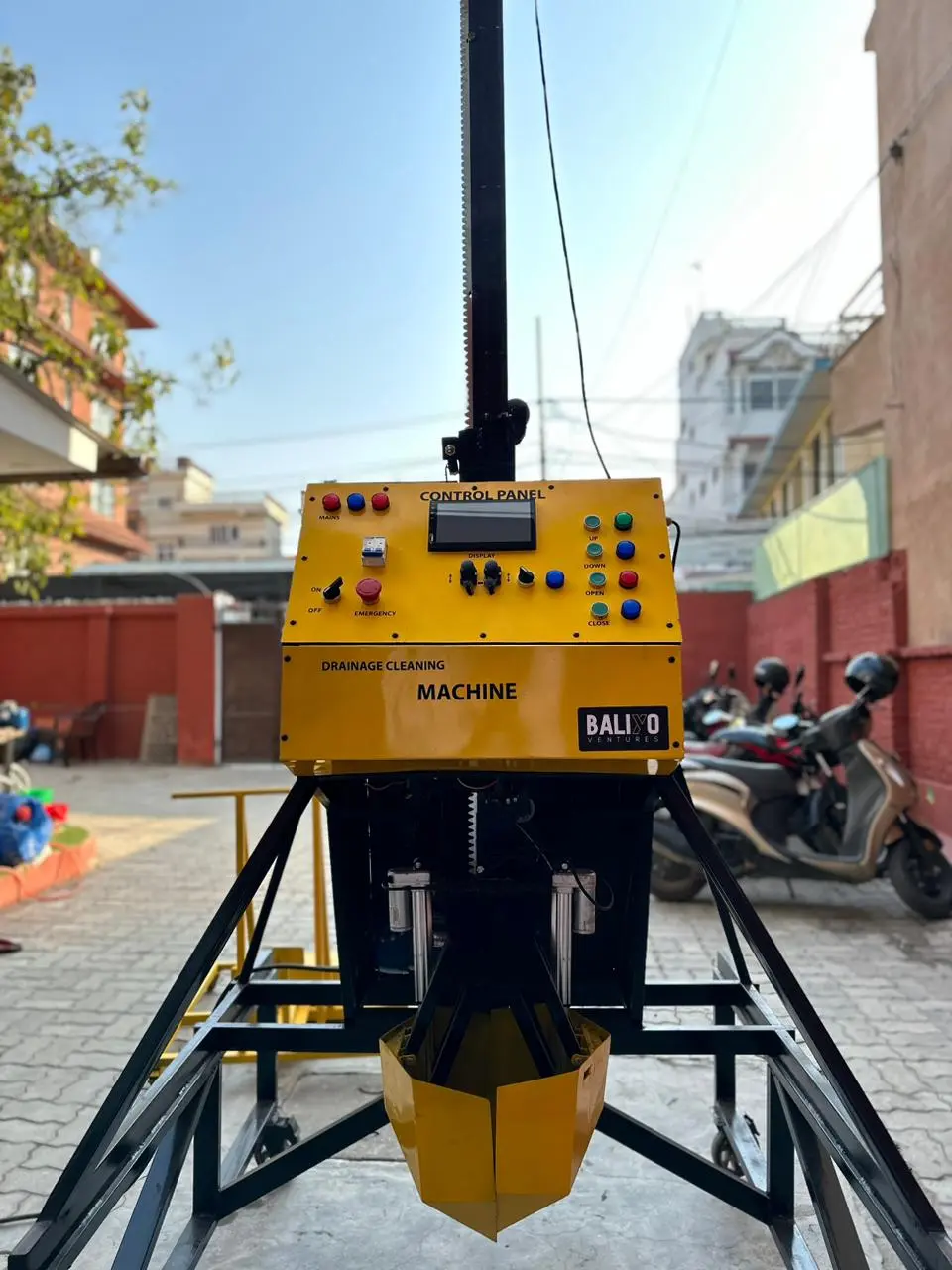
Underground Drainage Cleaning Robot
Baliyo Ventures, with ADB support, developed Drainage Bot—a safe, robotic solution to clean drains without entering manholes. Tested in major cities across Nepal.
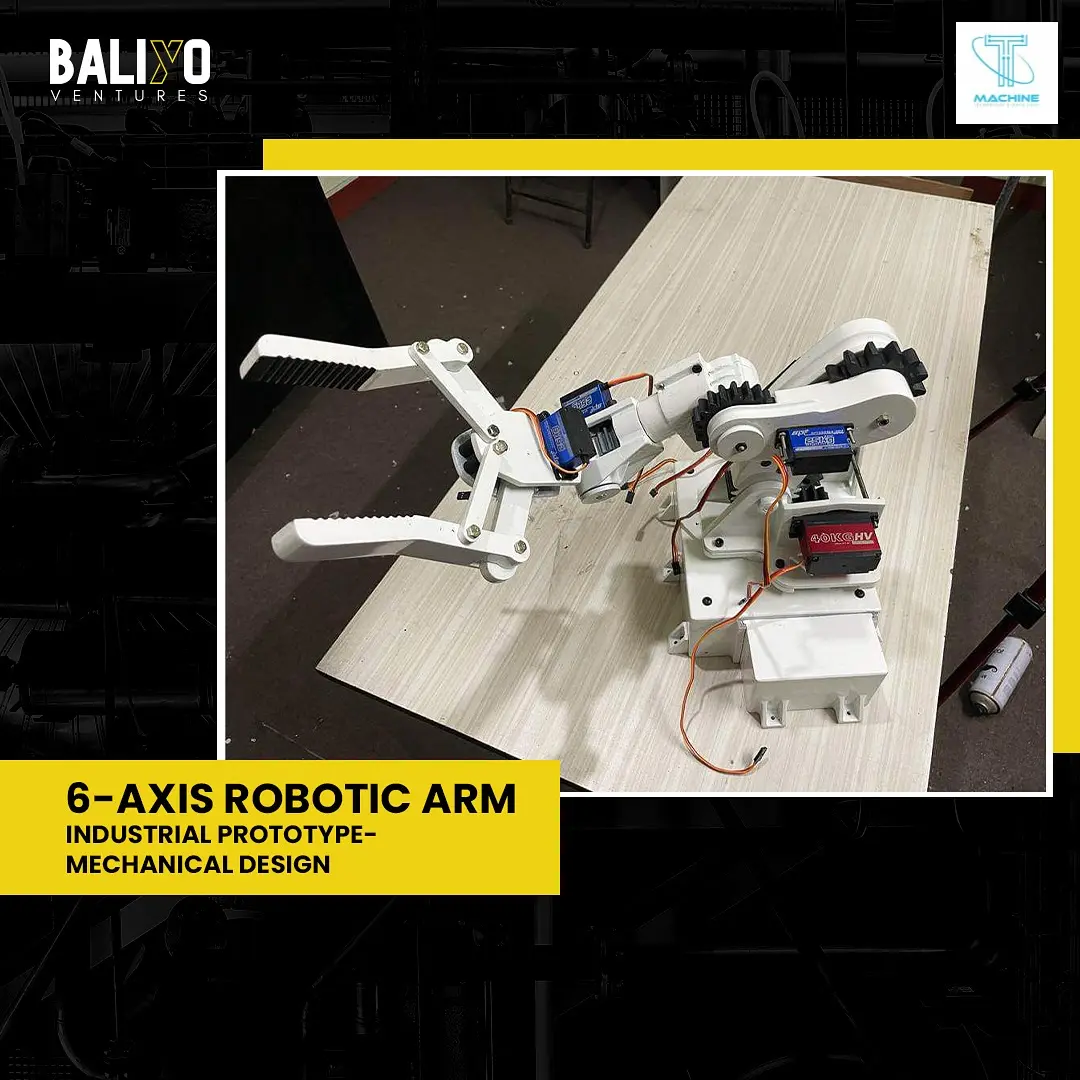
6-Axis Robotic Arm Development Kit
Baliyo Ventures developed a modular, Arduino-compatible 6-axis robotic arm for education and light industry—promoting local innovation in automation and tech training.

Project Panda -Robotics & Animatronic System
Project Panda is an innovative robotics and animatronic development project focused on creating an interactive system capable of movement, voice integration, and smart tracking functionality.

Got any Sister Robot related projects in mind?
We are always looking for new research and collaboration opportunities. If you have any Sister Robot related project in mind, please contact us.
Contact Us